
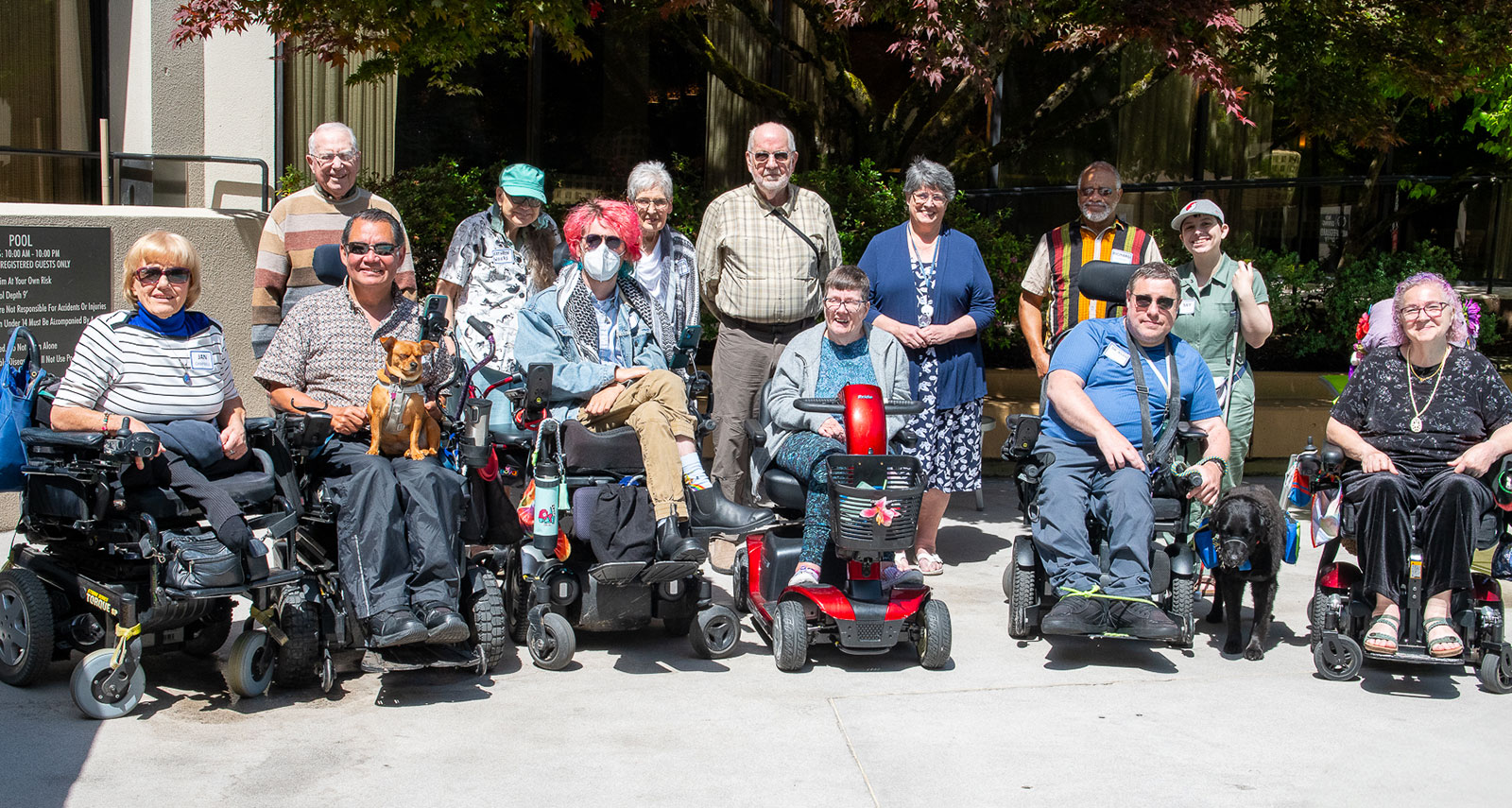
Miembros actuales del CAT
T. J. Anderson
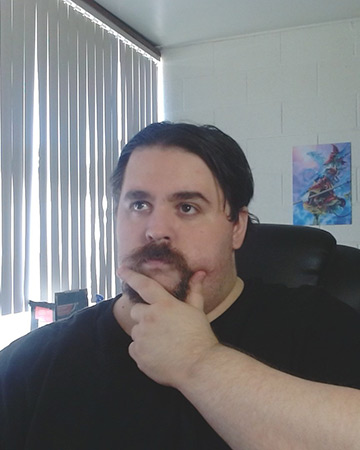
Mi nombre es TJ Anderson y nací aquí en Portland, Oregon. Mi discapacidad llegó en forma de daño a los nervios debido al Beriberi de inicio rápido, que básicamente provocó un cortocircuito en mi cuerpo, y luego de una carrera en cocinas a lo largo de la costa oeste desde los 14 años hasta los 24, estaba acabado.
Luego de ese tiempo tuve que volver a aprender a caminar con un cuerpo que no respondía de la misma manera y luego de un tiempo me levanté y ahora camino con un bastón y a través de esa experiencia me llevó a ser un defensor de la comunidad de discapacitados a través de PCC luego de trabajar algunos años para TriMet LIFT . Durante mi tiempo en PCC, tomando clases según lo permitía mi salud, fui presidente de una sociedad de honor, semifinalista nacional de una sociedad de honor y senador escolar responsable de cotizaciones y operaciones internas.
Actualmente estoy en PSU ya que la salud me permite terminar un programa de doble licenciatura en Economía Cuantitativa y Administración de Empresas. En mi tiempo libre trabajo en aprender más habilidades y ser más adaptable a situaciones de liderazgo y de negocios. En mi tiempo libre cocinaré, levantaré pesas, jugaré algunos juegos de video y miraré un partido de los Golden Knights si lo transmiten. No suelo comer fuera por todo, pero sí me gusta ir a diferentes mercados para encontrar ingredientes baratos para cocinar.
Jan Campbell
Chair
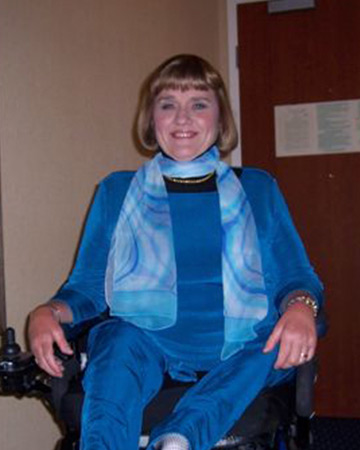
Soy una persona con discapacidad y cuando me negaron un trabajo como docente debido a mi discapacidad, y antes de que se aprobara la ADA, centré mi carrera en los derechos civiles y humanos. Trabajo en los Servicios para Personas Mayores, Discapacitadas y Veteranos del Condado de Multnomah, y actualmente soy Director Interino del Equipo de Recursos de Concientización sobre Discapacidad (DART). DART apoya y defiende a las personas con discapacidades que son sobrevivientes de violencia doméstica y agresión sexual. Fui miembro y presidente de numerosos consejos, juntas y comités estatales y locales.
Las personas con discapacidad a menudo no están incluidas en los comités, juntas y comisiones que debaten y toman decisiones y políticas que afectan a las personas con discapacidad. Las formas en que sirvo a mi comunidad son participando activamente con grupos que pueden hacer cambios positivos e incluyendo la discapacidad en su agenda. Otros, principalmente miembros CAT , y yo llamamos la atención sobre las barreras a TriMet y trabajamos juntos para eliminarlas para que nuestro transporte gubernamental pueda ser realmente accesible para todos. Yo y otras dos personas con discapacidad, junto con el personal de TriMet, iniciamos el Comité CAT. Me encanta trabajar con el Comité porque nos apasiona lo que hacemos. Muchos de los miembros del comité son pares, es decir, personas con discapacidades y adultos mayores que emplean el sistema. Tratamos de trabajar en equipo, es decir, los miembros del Comité y TriMet, para encontrar soluciones que nos permitan eliminar las barreras que existen.
Mi lugar favorito para ir es a los senderos con mis colegas, y mi lugar favorito para comer es cualquier lugar donde haya buena comida italiana.
David Daley
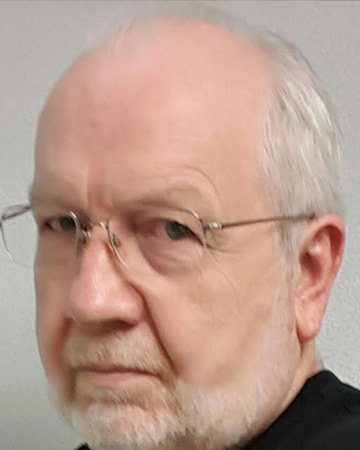
Me pensioné en 2018 luego de muchos años en el transporte gubernamental. Inicialmente trabajé como voluntario en Elders in Action y luego (y actualmente) como miembro del Consejo Asesor de Servicios para el Envejecimiento de los Servicios Humanos del Condado de Multnomah. Aplicar mi membresía en el CAT porque mi trabajo en el condado de Multnomah me orientó al hecho de que el transporte es un tema importante a la hora de brindar servicios efectivos a las personas mayores y a las personas con discapacidades. Fui miembro del comité ad hoc que organizó el condado de Multnomah para abordar importantes problemas de calidad del servicio con el sistema de transporte médico no urgente. También actúo como representante del condado ante el Comité Asesor de Reglas para el transporte médico no urgente en el estado de Oregon.
La comunidad que más me preocupa es la gran cantidad de personas mayores que ya no deberían manejar pero que no califican para el paratránsito LIFT . Al abordar las barreras relacionadas con la accesibilidad, creo que necesitamos hacer más trabajo de extensión con esta comunidad y más capacitación con los operadores de TriMet sobre cómo brindarles servicios efectivos cuando usan el sistema de ruta fija.
Mi lugar favorito para comer es Nuestra Cocina en SE Division en Portland.
Ulises Armonía García
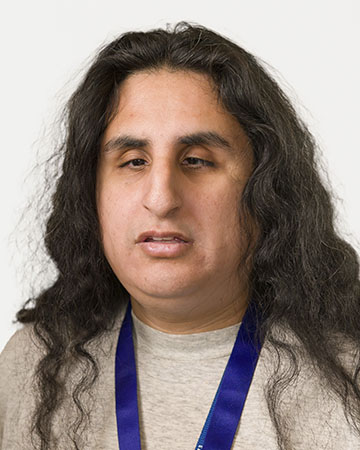
Ulysses Harmony Garcia (she/they) is a proud Oregon native currently living in Tigard. As a blind, hard-of-hearing, neurodivergent, and transgender individual, Ulysses brings a unique and intersectional perspective to her advocacy work in accessibility, affordable housing, and transportation. She currently serves on the Resident Advisory Board for the Housing Authority of Washington County and is passionate about breaking down systemic barriers in both housing and transit. Since she has experienced every possible barrier to employment and higher education due to her intersecting identities, she knows how crucial her work is to ensure that people in her position won't have to fight as hard to get their needs met.
A bilingual speaker of English and Spanish, Ulysses is deeply committed to expanding accessibility for the visually and hearing-impaired, as well as improving language access for all transit users. She is particularly interested in how artificial intelligence and remote assistance technologies, like AIRA, can help make transportation systems more accessible.
El viaje de Ulysses con TriMet comenzó en 2005 cuando un instructor de movilidad le presentó los servicios TriMet LIFT . Desde que se inscribió en 2008, confió en el sistema para mantener conectada con su comunidad. Su paseo favorito es el WES Commuter Rail, donde la experiencia sensorial de los motores diésel proporciona una sensación de arraigo y comodidad.
Con una gran curiosidad por aprender, Ulysses adquirió una gran cantidad de conocimientos en relaciones públicas, llamadas en frío/banca telefónica y creación de contenido empleando WordPress. Estas habilidades son invaluables para cualquier lugar de trabajo profesional, y ella estaba agradecida a organizaciones como NorthStar Clubhouse y Recovery Cafe Roseway por su apoyo eterno en sus esfuerzos.
Outside of her advocacy work, Ulysses is known for her curiosity and love of exploring. Whether spending time outdoors, connecting with nature, or cruising the Willamette River aboard Portland Spirit or the high-speed Explorer Jet Boat, she finds joy in discovery and movement. Together with the support of her Direct Support Professional (DSP), Ulysses continues to advocate for public spaces where all individuals — regardless of disability, identity, or background — can thrive.
Erin Graham
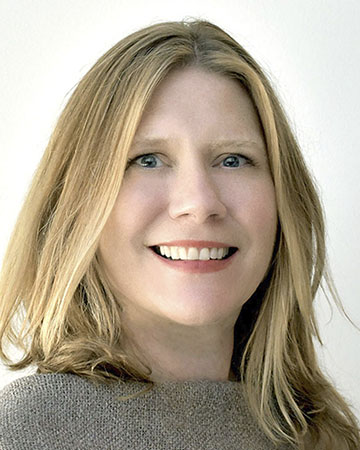
Erin Graham currently serves as President and CEO of OMSI. She has worked with the nonprofit in various roles, including COO, for more than a decade. She sees her role on the TriMet Board as a relationship-builder, engaging with and stewarding a variety of different partners and community relationships. Her vision for transit includes shared economic prosperity and environmental stewardship, driven by innovation.
“Invertir en la modernización y electrificación del transporte gubernamental y aumentar el número de pasajeros es fundamental para alcanzar nuestros objetivos climáticos y reducir el impacto en la salud humana”, afirmó Graham.
Antes de OMSI, Graham trabajó en recaudación de fondos y operaciones sin fines de lucro y como asesor interno para las industrias de las artes y la tecnología. Tiene un doctorado en Derecho y un MBA de la Universidad de Wisconsin-Madison y una licenciatura de la Universidad de Oregon. Graham es miembro del Foro de Liderazgo Americano de Oregon , así como del Foro Internacional de Mujeres.
Richard Hunter

Mi nombre es Richard E. Hunter Sr. y soy un nuevo miembro del equipo CAT a partir del 1 de julio de 2024. Soy nativo de Portland Oregon y estuve usando el transporte gubernamental en Portland desde que mi madre me llevaba a citas médicas y dentales en los años 50 y 60, cuando era Rose City Transit. A finales de los años 60, comencé a viajar solo en el transporte gubernamental de Rose City, incluso cuando se convirtió en TriMet y hasta el día de hoy.
Siempre fui un usuario activo del transporte gubernamental y siempre fui un defensor de la diversidad, la equidad y la inclusión en la vida cívica. Trabajé en juntas y comités de varias organizaciones durante los últimos 45 años (por ejemplo, Sabin Community Development Corporation, Housing Our Families, Oregon Health Commision, Oregon Human Rights Coalition, Humboldt Neighborhood Association, Jefferson High School Alumni Association, JHS Conceptual Master Planning Committee, JHS Comprehensive Planning Committee, JHS Design Advisory Group, Urban League of Portland, NAACP Portland Branch 1120-B Environmental & Climate Justice Committee, AARP Oregon, AARP N/NE Portland Chapter 5264, PBOT Pedestrian Advisory Committee). También participé en docenas de grupos focales sobre transporte, medio ambiente y preparación para emergencias.
En 2013, deliberadamente dejé de tener un auto y comencé a andar en bicicleta y usar el transporte gubernamental de manera regular. Me pensioné como Representante de Servicios de Transporte del Departamento de Vehículos Motorizados (DMV) de ODOT en agosto de 2015. Cada vez que mi supervisor completaba mi evaluación anual de empleados, escribía al final... “y contribuye al medio ambiente yendo al trabajo en bicicleta”. Desde entonces, empleé casi todos los medios de transporte gubernamental que existen excepto LIFT (colectivo, tranvía, tren MAX , Zip Car, taxi, Uber y bicicleta eléctrica).
Mi padre era pastor. Fui ordenado en 1978 y serví como pastor asistente de mi padre hasta que falleció en 1979. Luego de su muerte, me convertí en pastor y serví durante 8 años (1979-1986). Hoy, sirvo como pastor asociado con mi hermano mayor, quien es mi pastor principal. Disfruté de mi condición de Honored Citizen desde que cumplí 65 años. El 18 de julio de 2024 cumplo 71 años.
I am excited to work with my fellow committee members on the CAT and it is my goal to be a productive member and a voice for elderly and persons with disabilities.
Annadiana Johnson
Miembro general
I live in Forest Grove and have been a member of CAT since 2018. In 2020, I was voted in as a Member At Large for the CAT. I also serve as a member of the Special Transportation Fund Advisory Committee (STFAC).
Soy discapacitado desde 2004 y uso un scooter de movilidad cuando tengo que viajar cualquier distancia. El colectivo de ruta fija y MAX fue mi principal medio de transporte desde 2003 para llegar a donde necesito estar.
Tengo formación como ingeniero de sistemas informáticos y siempre disfruté del voluntariado para ayudar a mejorar la vida de los demás. Considero que mi participación en comités puede aportar información valiosa para el análisis y la mejora de procesos. Fui voluntario de Elders in Action en el pasado y creo que compartir información con Elders in Action, CAT o cualquier otro comité es la clave para comprender mejor cómo son las cosas ahora y cómo podrían cambiar para mejorarlas para todos. Trabajar con el CAT fue fantástico ya que crea un espacio para conocer gente y trabajar juntos para mejorar la vida de todos los que emplean el sistema de tránsito.
Mis lugares favoritos para ir son los mercados de agricultores en Forest Grove, Beaverton y Portland. Mis lugares favoritos para comer son Buffet Dynasty, Oregon Culinary Institute y Gandhi's Indian Restaurant.
Patricia Kepler
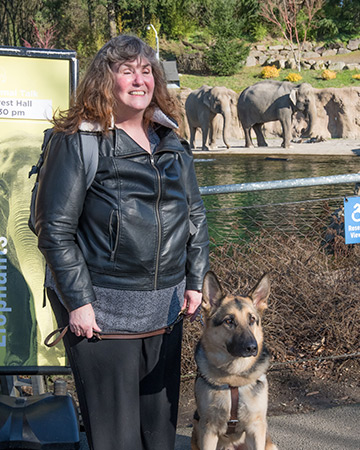
Patricia works as an Accessibility Specialist for Portland Community College and has served as a Governor appointed commissioner of the Oregon Disabilities Commission and the Oregon Commission for the Blind. In addition to serving on CAT, Patricia currently serves as a consultant in the development of Metro departmental ADA transition plans. Patricia uses She/Her pronouns.
Viajo con la ayuda de un perro guía. Mi perro puede ayudarme a superar la mayoría de las barreras que encuentro. Cuando necesito viajar a áreas donde el acceso peatonal no fue una prioridad para el planificador de la ciudad, confío en LIFT para viajar hacia y desde las citas.
Conocí a Jan Campbell, presidenta del CAT, hace muchos años en un evento de defensa. La pasión de Jan por el transporte seguro y accesible es contagiosa y me motivó a postularme para ser afiliada a CAT. Me encanta trabajar con el equipo de defensores. Cada afiliado a CAT aporta gran conocimiento y experiencia y se dedica a mejorar el acceso al transporte para todos los que visitan el área metropolitana de Portland.
Me encanta pasar tiempo en Waterfront Park. Tradicionalmente siempre hay algo interesante que encontrar allí. ¡Me encantan todos los festivales! Sin embargo, mi lugar favorito para comer es en Beaverton, en La Hacienda Real.
Gary Marschke
After 30 years in media, publishing, and consulting, Gary launched an encore career in 2000 recruiting volunteers, as well as managing programs and community projects for Volunteers of America.
In 2017, Gary found a home as Outreach & Development Manager (Friend & Fundraiser) for National Alliance on Mental Illness (NAMI) in Clackamas County where he’s developing fundraising strategies, events and activities, writing grants, teaching workshops on mental health, and building relationships to further the mission.
Gary also launched an encore marriage in 1989 and is the proud father of two daughters and a stepson, as well as four grandchildren and a Yorkie rescue named Carlin. In his free time, Gary has been abusing golf clubs for 40 years and is an avowed and unashamed karaoke enthusiast.
I chose to join the Committee on Accessible Transportation to bring a voice to the table from rural communities, particularly those with mental health challenges, as accessible transportation is a significant obstacle to successfully managing recovery.
Sky McLeoud

Mi nombre es Sky y uso los pronombres ellos, ella y él. Soy un millennial judío ciego, neurodivergente, de género fluido, asquenazí y sefardí que tiene experiencias con enfermedades mentales, asma y discapacidades de aprendizaje. Viví en Portland desde 2015 y me encanta esta ciudad por su inspirada comida vegana, su clima lluvioso, su escena artística local y su asombroso sistema de tránsito. Por eso estoy emocionado de estar en el CAT y ayudar a guiar TriMet para mejorar y continuar haciendo que el tránsito sea accesible para los residentes discapacitados de Portland.
Me gradué de la Universidad Estatal de Portland en 2024 con una Licenciatura en Ciencias en Psicología y una especialización en Resolución de Conflictos. Escribí mi tesis de honores sobre el uso de la resistencia no violenta en la comunidad estadounidense de discapacitados. La lucha por conseguir transporte gubernamental accesible fue una gran parte de esa historia y las protestas por el transporte gubernamental son una de las principales razones por las que tenemos la ADA. Intento infundir justicia y defensa de las personas con discapacidad en todos mis esfuerzos y trabajos académicos.
Tengo una experiencia laboral ecléctica. Pasé años respondiendo llamadas en la Línea Nacional de Prevención del Suicidio con Líneas por la Vida. Trabajé para Call to Safety, una agencia local que aboga por los sobrevivientes de violencia doméstica y agresión sexual. También trabajé mostrando a los niños cómo hacer películas y animación parada-motion en el NW Film Center (ahora PAM CUT). Presenté un podcast con otro colega ciego llamado Citizen White Cane donde vimos películas con personajes ciegos y hablamos sobre ellos. También soy improvisador en Kickstand Comedy, donde actúo de manera regular como parte de su conjunto. Finalmente, soy afiliado a la junta directiva y capacitador principal del Equipo de Paz de Portland, un grupo que asiste a protestas y eventos no violentos y ayuda a reducir las situaciones para garantizar que las acciones sigan siendo no violentas. También capacitamos a una amplia variedad de agencias y compañías sin fines de lucro, gubernamentales y privadas en técnicas de desescalada.
Estoy entusiasmado de trabajar para hacer de Portland una ciudad más accesible. Como persona ciega, el sistema de tránsito es una herramienta vital para mi independencia y mi capacidad de participar en muchas actividades comunitarias. Aumentar la accesibilidad del sistema de tránsito y hacer que sea más fácil para las personas discapacitadas desplazar es una misión importante en la que me siento afortunado de participar.
Abdelrahman Osman
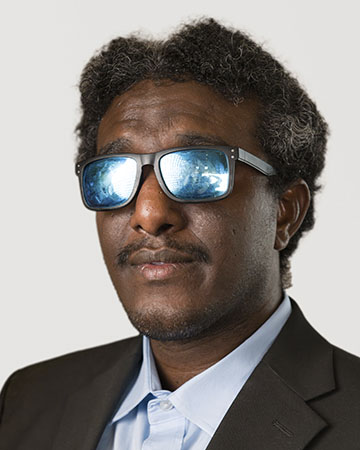
I came to the United States several years ago from the Nile Valley and have since made Portland my home after time in the snowy Midwest. As a blind, Muslim individual, public transportation is essential for reaching work, school, the mosque, and community events. Through my volunteer work as an assistive technology instructor, I have also heard many stories from people with disabilities who rely on transit for independence, education, and employment. These experiences have given me both personal and professional insight into the importance of TriMet and the need to keep improving it for all riders.
My commitment to accessibility and advocacy has guided my work in disability rights and in my current role as a mental health counselor. I help students navigate challenges, find their voices, and build self-advocacy skills. Serving on the CAT feels like a natural extension of this mission, giving me the opportunity to listen to community needs and push for positive change.
My vision centers on enhancing TriMet’s accessibility, reliability, and clarity, especially for riders with disabilities. Improvements such as clearer audio announcements not only support blind and low-vision riders but also create a better experience for all public transportation users in our community.
In my free time, I enjoy reading, exploring Portland’s parks and trails, playing chess, and connecting with new people. You can often find me along the river, especially crossing the Tilikum Bridge or following the Waterfront Park Trail.
Franklin Ouchida
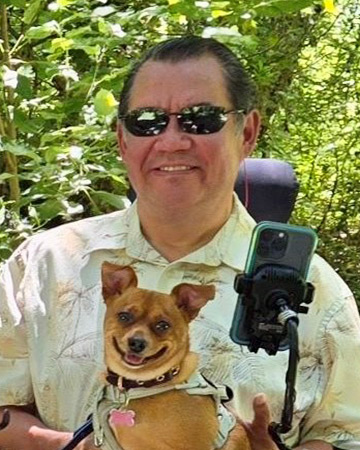
A Native Oregonian and Japanese American, hails from a family of Marionberry farmers in Gresham. His journey has seen him in various careers, but his unwavering commitment to helping others has remained constant. In 2012, a life-altering event led him to dedicate a significant portion of his life to empowering individuals with disabilities in the community. His mission is to unveil the rich tapestry of the disabled community in Oregon and the city’s beauty. Accompanied by his service dog, Cutie, Franklin traverses the city on TriMet fixed-line buses and TriMet LIFT, a testament to his unwavering dedication. Franklin’s involvement in several non-profit organizations is fueled by his deep passion for making people with disabilities, especially wheelchair users, more visible in public spaces. His belief in the importance of nature and human connections is not just a part of his life; it is his life. Oregon Wheelchair hiking, his favorite activity, is a testament to this. Join him on a stroll and experience the beauty of Oregon together. Franklin’s goal is to unite services to support all disabled individuals in the community. He is inspired by Jan Campbell, CAT President and other advocates in the city, whose dedication to ensuring safe and accessible transportation for everyone motivates him. With his expertise and experience, Franklin is committed to enhancing accessible transit for all residents in the Portland metro area.
Claudia Robertson
Vicepresidenta
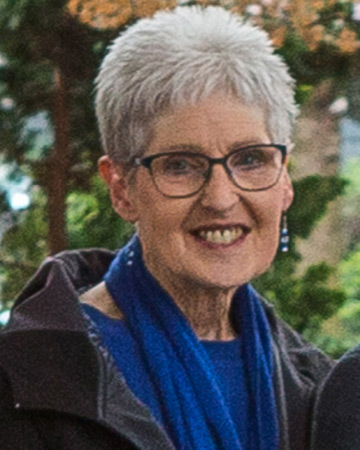
Claudia Robertson, who most recently served as Vice Chair, was a longtime and deeply valued member of the Committee on Accessible Transportation (CAT). She passed away peacefully in January 2026. Claudia’s dedication, leadership, and institutional knowledge have made a lasting impact on the committee and the transit community. She was a passionate advocate for equitable and inclusive transportation, and her contributions will be remembered by all who worked alongside her. In recognition of her decades of advocacy and leadership, the TriMet Board of Directors presented Claudia’s family with a formal resolution honoring her legacy. She will be greatly missed.
Quintin Roldan
My name is Quintin Roldan, and I am a lifelong Oregon resident who grew up in the Rockwood/Gresham community in the Portland metropolitan area. I have relied on TriMet Transit system since childhood, which has given me a firsthand understanding of how public transportation has evolved over the years. I have seen many improvements in accessibility, safety, and service, while also recognizing the challenges that remain for older adults and people with disabilities.
As a DeafBlind transit rider, I understand the importance of accessible, reliable, and inclusive transportation. Public transit plays a vital role in connecting people to healthcare, employment, education, and their communities. My lived experience has given me insight into the barriers that some riders continue to face and the importance of ensuring that every rider can travel safely and independently.
I am interested in serving on TriMet’s Committee on Accessible Transportation because I want to help improve accessibility for all riders. I believe that listening to the experiences of people with disabilities and older adults is essential to creating a transit system that serves everyone. I look forward to working collaboratively with committee members and TriMet staff to provide constructive feedback and help shape a more accessible and equitable transit system for our region.
Madeline Temple
Mi nombre es Madeline (ella). Soy queer, tlingit y discapacitada. Nací y crecí en el sudeste de Alaska, donde el bosque se encuentra con el mar y la comunidad es profunda. El viento, la lluvia y las mareas me criaron, y las dificultades me moldearon. Dejé Alaska para encontrarme a mí mismo, pasé un tiempo en California y desde 2019 considero a Portland mi hogar.
Crecí conociendo el hambre y las decisiones difíciles. El transporte gubernamental fue un salvavidas para mí toda mi vida. Cuando era niño, tomaba solo el colectivo de la ciudad para ir al banco de alimentos para ayudar a alimentar a mi familia. Nunca pude tener una licencia de manejar, pero siempre encontré mi camino hacia adelante. Ahora uso los servicios TriMet LIFT para desplazarme, lo que mejoró significativamente mi calidad de vida y mi independencia.
Mi cuerpo lleva las cicatrices de un sistema que me falló. En 2018, luego de años de negligencia médica, un médico decidió equivocadamente romperme ambas piernas en nombre de mi atención. Desde entonces, vivo cada día con dolor crónico y limitaciones físicas. Tengo diagnósticos múltiples que incluyen trastorno de estrés postraumático complejo (TEPT), síndrome de Ehlers-Danlos hipermóvil, adenomiosis y síndrome de taquicardia ortostática postural (POTS). Mi discapacidad es dinámica. Algunos días puedo bailar toda la noche, otros días ni siquiera puedo levantarme de la cama. Mi cuerpo se convirtió al mismo tiempo en un campo de batalla y en un mapa de resiliencia. Mis limitaciones no están arraigadas en mi cuerpo, sino en sistemas y espacios que no están diseñados para personas como yo.
En una época prosperé como profesora, pero ese sueño se volvió insostenible debido a la falta de adaptaciones. A pesar de tener una estable experiencia y excelentes referencias, incluso los “trabajos de oficina” a menudo presentan barreras invisibles. Nuestra cultura a menudo ve la productividad como la única medida de valor, y el descanso o la flexibilidad como un fracaso. Desafío esto todos los días existiendo, creando y defendiendo un mundo que reconozca diferentes formas de valor.
Mi defensa comenzó como una cuestión de supervivencia. Cuando nadie más me defendió, aprendí a defenderme yo mismo. Ahora hablo por los demás, para que no tengan que afrontar lo que yo pasé, y siempre hablaré por aquellos que necesitan ayuda o no pueden hablar por sí mismos.
En mi tiempo libre, encuentro alegría en las cosas bellas: pasar tiempo con mi gato, cocinar, hacer arte, disfrazarme, organizar fiestas y jugar juegos de video. También dedico tiempo al voluntariado, a tomar clases de defensa de derechos y salud mental y a buscar otras formas de apoyar a mis colegas y mejorar mi comunidad.
Estoy muy emocionado de poder tener esta oportunidad de servir como miembro del Comité de Transporte Accesible y espero desempeñarme bien y hacer justicia a mi posición.
No tengo una larga lista de logros (¡todavía!), pero mi historia aún se está escribiendo. Mi vida apenas comienza. Estoy aquí, haciendo lo mejor que puedo, con un corazón lleno de amor y fuego y un futuro brillante con posibilidades.
Kyenne Williams
Born in Eugene, spent my first 10 years in the Midwest before returning to Oregon and graduating high school in Newport.
As a teenager, the gas crisis in the mid-70s got my attention and I made a decision then that I would never have a car and be part of what appeared to be an insane system. In all honesty, there have been many times I regretted that decision, and I held myself to it regardless. Not driving allowed me to travel all over the world and meet a tremendous variety of people on trains and buses, as well as hitchhiking, walking and biking.
I had the opportunity to to see close-up and in person how the majority of people do not have cars and somehow have figured out a system to get around that brings them into community and engage engagement. When I return to Portland, I was immediately enamored of the bus system (raindrops and deer symbols) and decided that I would only live in cities that could provide a similar breadth and quality of transit.
After living in other cities for a dozen years, I came back to Portland in the early 90s and worked at OHSU, Multnomah County, the Housing Authority of Portland, and the city of Portland — notably, all employers who provide their their workers with the means to get around w/o a car. I was able to buy a house with the money I saved from not having to own and maintain a vehicle.
Wherever I worked, I’ve been known as a “bus girl” because I happily explained to people how to use the bus to get where they were going, how to get more information, and most importantly why they should give it a try. I worked extensively with refugees and emigrants, as well as senior citizens and economically challenged families, where access to the transit system was essential to successfully making a home in Portland.
Applying to be part of CAT is a way to continue those efforts now that I’m semi-retired, and join an organization that I value very highly.
Alternate Members
Natalia Moloney
I am Natalia Moloney. I am a woman who is blind. I utilize TriMet fixed route buses, MAX, Streetcar and TriMet Lift. I am a singer, writer, speaker, animal lover, a dog trainer of my own service dogs. I am a cook, baker, am learning the Irish/Gaeilge language and a teacher for people who are blind and visually impaired. I chose to join the CAT committee because I love helping people. And providing my opinion on the CAT is a way for me to assist in making a difference. Additionally, I love public transportation and utilize it as much as possible.
Eli Yoder
My name is Eli (he/they) and I am an Oregon native who has lived in the Portland area since 2023. I am a new (alternate) member of the CAT team. I have a genetic condition that has caused me to use various mobility aids since I was a preteen, and have been a wheelchair user for several years. I am hard of hearing and live with PTSD.
I have a lot of interest in making public transportation more accessible, as I cannot drive and rely on Trimet for appointments, social events, and more. I joined CAT after being encouraged by folks on TriMet’s social media team.
I spent a couple of years working in special education in another city while working on a degree in education because I wanted to do something meaningful, and as I navigated through numerous barriers, I realized that it wasn’t the field for me. I went through a series of challenging events and lost my job due to the progression of my disability affecting my access to transportation, and from there lost my housing. Since moving to Portland, I have been able to get connected to more resources and have spent my time here advocating for my fellow homeless youth and young adults. Once I obtain housing again, I will be returning to school to finish my degree, but in social work instead because it is a much-needed service in our community.
My goal with CAT is to work towards improving disability access in transportation and to work with other disabled people with lived experience. Working with people who understand that disabilities affect how you move through the world is something that is very important to me. As many as 60% of homeless people have a physical or mental disability, and our experiences are rarely included in the conversations about access. Creating a public transportation network that allows people of all walks of life to remain connected to their communities is a priority for me.
My favorite place to go in the city is probably Lower Macleay Park on their paved disability access trail, with Gateway Discovery Park as a close second. I love spending time outdoors and am always looking for more places I can access independently.